

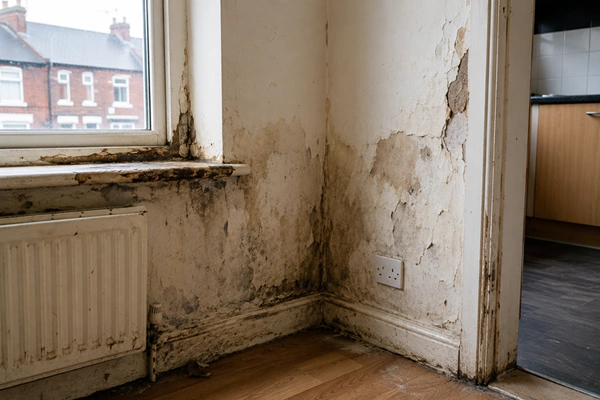
Tenants are entitled to live in homes that are safe, habitable, and properly maintained. When landlords fail to meet those basic standards, the issue is not inconvenience; it is a breach of responsibility. Housing disrepair claims are not about cosmetic defects. They arise where essential repairs are ignored, delayed, or handled so poorly that living conditions deteriorate.
Across Manchester, housing disrepair disputes most often involve long-standing problems that have been reported repeatedly but not resolved. In many cases, tenants continue living in unacceptable conditions because they feel they have limited leverage or are unsure where responsibility lies.
Landlord responsibility for property condition
Landlords have a legal duty to keep rental properties in a reasonable state of repair. This duty covers the structure of the building and key installations, including heating, hot water, electrics, drainage, and sanitation.
Responsibility does not depend on whether a property is old or new. Older housing stock is common in Manchester, but age does not excuse neglect. Where a landlord rents out a property, they are expected to anticipate wear, deterioration, and common defects and to address them within a reasonable timeframe.
Importantly, delegation usually cannot avoid responsibility. Using a managing agent or contractor does not remove a landlord’s duty to ensure repairs are carried out properly.
Landlord responsibility generally extends to defects arising from normal use of the property. Tenants are not expected to resolve problems caused by ageing infrastructure, hidden defects, or long-term deterioration. Issues involving pipework, wiring, heating systems, and the structure of the building typically fall within the landlord’s remit, even where the precise cause is not immediately clear.
Disputes often arise where landlords attempt to categorise disrepair as tenant fault without clear evidence. In practice, the landlord’s responsibility depends on the defect’s nature and whether the tenant’s actions could reasonably prevent it.
Common disrepair issues faced by tenants
Housing disrepair can take many forms, but certain issues arise frequently in Manchester rental properties.
These include persistent leaks, defective heating systems, unsafe electrics, damaged windows or doors, roof defects, and structural problems that allow water ingress. In some cases, several issues exist at the same time, compounding the impact on living conditions.
What often distinguishes disrepair from routine maintenance is duration. Problems that remain unresolved for months, despite repeated reports, are more likely to give rise to a valid claim than isolated or short-lived faults.
When delays become unreasonable
Landlords are not expected to carry out every repair immediately, but they are required to act within a reasonable timeframe. What is reasonable depends on the nature of the issue and its seriousness.
Problems affecting heating, hot water, or electrical safety usually require urgent attention. Structural defects or leaks that worsen over time also demand prompt action. Repeated temporary fixes that fail to resolve the underlying problem may be treated as inaction rather than compliance.
Delays are particularly problematic where landlords are aware of the issue and fail to provide updates, inspections, or a clear plan for repair. Silence or deflection does not meet legal obligations.
Repeated repairs and ineffective responses
In some cases, landlords respond to reports of disrepair but fail to resolve the underlying problem. Superficial repairs, short-term fixes, or repeated call-outs that do not address the root cause may still amount to a failure to repair.
When the same issue resurfaces over time, the emphasis shifts from the presence of a response to its adequacy. Ongoing defects, repeated disruption, and unresolved problems are all relevant when assessing whether a landlord has met their obligations.
Reporting disrepair and creating a record
Evidence plays a central role in housing disrepair claims. Tenants are generally expected to notify their landlord of problems and allow a reasonable opportunity for repair.
Reports should be clear, dated, and preferably in writing. Photographs, videos, and copies of messages can help establish the nature of the defect and how long it has persisted. Where conditions worsen, updated evidence can be important.
Tenants are not required to diagnose the cause of disrepair; their responsibility is to report the problem, investigating and resolving it is the landlord’s role.
Keeping a simple record can make a significant difference. Dates of reports, notes of missed appointments, and details of ineffective repairs all help establish a timeline. Where contractors attend but work is incomplete or unsuccessful, the result should also be documented.
Impact on living conditions
Housing disrepair affects more than the physical condition of a property. Persistent problems can make a home uncomfortable, unsafe, or stressful to live in.
Cold rooms, unreliable heating, leaks, or unsafe fixtures can disrupt daily routines and affect sleep, hygiene, and basic use of the property. In some cases, tenants avoid certain rooms or adapt how they live because conditions are no longer acceptable.
These impacts are relevant when assessing whether disrepair has crossed the threshold from inconvenience to legal concern.
Disruption, stress, and loss of normal use
Housing disrepair often interferes with how a property is used rather than simply how it looks. Rooms may become unusable, routines may change, and tenants may adjust their behaviour to avoid ongoing problems.
This disruption is relevant when assessing seriousness. Living with unresolved issues can cause stress, frustration, and a sense of instability, particularly where there is no clear resolution in sight. These factors are commonly considered when determining whether conditions have reached a level that justifies legal action.
Enforcement and escalation routes
Where landlords fail to act, tenants may have options beyond repeated requests. Local authority involvement may be appropriate in some situations, particularly where safety is affected.
Environmental health inspections can result in enforcement notices requiring specific works to be carried out. Failure to comply with such notices can strengthen a tenant’s position.
Escalation does not always mean immediate confrontation. In many cases, the aim is to prompt action rather than pursue formal proceedings. Understanding the available routes helps tenants take proportionate steps based on the severity and duration of the issue.
When a housing disrepair claim may arise
A housing disrepair claim typically arises where three elements are present: a defect the landlord is responsible for, knowledge of that defect, and a failure to repair it within a reasonable time.
Claims are not limited to dramatic conditions. When living conditions materially deteriorate, long-term neglect, repeated delays, or ineffective repairs can all be sufficient.
Each case turns on its facts. Evidence of reporting, duration, and impact is often central to whether a claim succeeds.
Getting advice on housing disrepair claims in Manchester
Housing disrepair disputes can feel unbalanced, particularly where tenants are unsure of their rights or concerned about consequences. Understanding where responsibility lies is often the first step toward resolving the problem.
Speaking to a solicitor experienced in housing disrepair claims can help clarify whether a landlord has breached their obligations and what options are available. For tenants in Manchester, local knowledge of housing conditions, enforcement practices, and rental environments can be an important part of that assessment.