

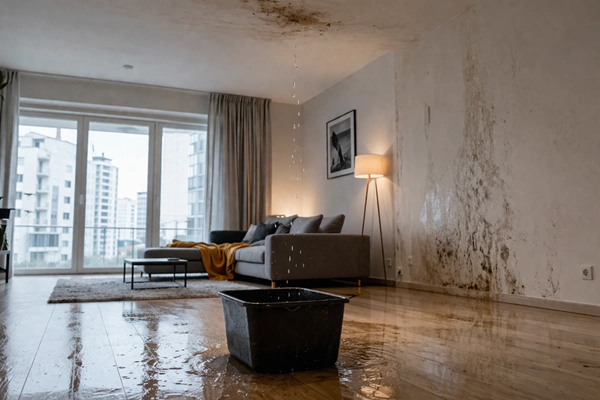
Water damage has a way of taking over a home. A leak starts small, a patch appears on the ceiling, a carpet stays damp longer than it should. Before long, rooms cease to function as intended.
In rental properties across Manchester, water damage and flooding are often linked to unresolved maintenance issues rather than one-off incidents. What matters is not just that water entered the property, but what happened next, and whether the problem was properly dealt with.
How water damage and flooding arise in rental properties
Water damage can come from several sources. Leaking pipework, failing plumbing joints, roof defects, blocked drainage, and faulty appliances supplied with the property are among the most common.
In older buildings, ageing systems increase the risk. In flats and converted properties, leaks often originate from neighbouring units or shared infrastructure, which can make responsibility seem unclear from a tenant’s perspective.
Flooding is not always dramatic. Repeated minor leaks, slow water ingress, or persistent damp patches can cause gradual damage that only becomes obvious once ceilings stain, floors warp, or plaster begins to break down.
What happens when water enters the home
The immediate impact is usually practical. Flooring can be ruined. Furniture and personal belongings may need to be moved or discarded. Electrical safety can become a concern, limiting access to parts of the property.
Tenants often adapt at first; they avoid affected rooms, shift belongings, or live around the problem while waiting for repairs. That works briefly. It is rarely sustainable.
Temporary measures, such as surface drying or patch repairs, do not always prevent further damage. Where moisture remains trapped behind walls or under floors, the problem often returns.
Long-term damage and loss of use
If you fail to resolve water damage, the problem shifts from appearance to loss of use.
Rooms may remain out of action for weeks or months. A bedroom with a leaking ceiling, a kitchen affected by repeated pipe failures, or a living area with persistent damp flooring can no longer be used normally.
Even if a property remains technically occupied, it may not be fully usable. When essential areas suffer damage, this partial loss of use can disrupt daily routines just as much as temporary relocation.
Displacement and repeated disruption
More serious cases may require tenants to vacate the property while repairs are underway. This can happen after significant flooding or where safety concerns arise.
Temporary displacement creates knock-on problems. Alternative accommodation has to be arranged. Belongings may need to be stored. Normal routines are interrupted.
Where displacement happens more than once, or where tenants are repeatedly asked to accommodate repairs that do not solve the problem, the cumulative disruption becomes relevant. It is not just about a single incident anymore.
Who is responsible for water damage and repairs
Responsibility usually depends on where the water came from.
Landlords are generally responsible for maintaining the structure of the property and essential systems, including plumbing, drainage, roofing, and fixtures supplied with the home. Where water ingress arises from defects within those systems, responsibility typically rests with the landlord.
Problems can be more complicated in flats or shared buildings. Water may come from neighbouring properties or communal pipes. Even then, landlords often retain responsibility where they control, manage, or can take steps to resolve issues affecting the tenancy.
Repeated leaks and ineffective repairs
A common feature of water damage disputes is repetition. A leak is repaired, then returns. Another fix follows. The problem continues.
Repeated incidents usually indicate that the underlying cause has not been addressed. Surface repairs, sealants, or temporary solutions may reduce visible damage without stopping water ingress at source.
When the same issue keeps reappearing, the focus shifts. It is no longer about whether action was taken, it is about whether that action was effective.
Recording water damage and building a timeline
Evidence matters in water damage cases, particularly where problems develop over time.
Tenants are generally expected to report leaks and flooding promptly. Keeping records helps establish what was reported, when, and what response followed.
Photographs and videos showing damage at different stages can be useful. Notes of repeated incidents, missed appointments, or repairs that fail soon after completion can help build a clear timeline.
Patterns are often more important than individual events.
When water damage may justify a claim
Not every leak leads to legal action. The threshold is usually crossed where water damage is persistent, the landlord is aware of the issue, and reasonable steps are not taken to resolve it within an appropriate timeframe.
Duration, frequency, and impact all matter. Ongoing loss of use, repeated disruption, or repeated displacement are commonly relevant factors.
Each case depends on its facts. What matters is how the problem affects the ability to live in the property normally, not whether the damage looks severe in isolation.
Getting advice on water damage and flooding in Manchester rentals
Living in a property can become challenging due to water damage, especially when repairs are not timely or effective. Understanding where responsibility lies is often the first step in deciding what to do next.
Speaking to a solicitor experienced in housing disrepair claims can help clarify whether water damage or flooding issues may be legally actionable. For tenants in Manchester, familiarity with local building types, shared systems, and recurring maintenance issues can be an important part of that assessment.