

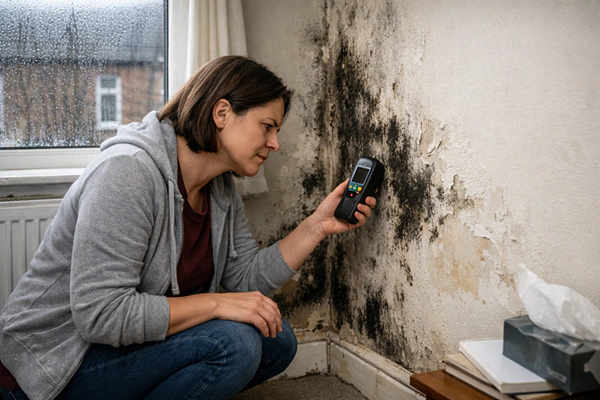
Damp and mould rarely appear overnight; they develop gradually, often unnoticed at first, and the effects on health can build just as quietly. In many Manchester rental homes, these issues persist for months or years before action is taken, particularly in older properties or buildings with poor ventilation.
Although damp initially appears as a maintenance issue, extended exposure can significantly impact physical wellbeing. Tenants seeking redress must understand when damp and mould transcend from mere inconvenience to a health concern.
How damp and mould develop in Manchester properties
Damp and mould are usually the result of underlying structural or environmental problems rather than tenant behaviour. Common causes include leaks, defective roofing, poor insulation, inadequate ventilation, and persistent condensation.
Manchester’s climate, combined with an ageing housing stock, increases the likelihood of moisture-related issues. Properties with single glazing, poor airflow, or out-dated heating systems are particularly vulnerable. When moisture accumulates, mould spores can flourish on walls, ceilings, and soft furnishings.
Importantly, repeated cleaning or cosmetic treatments rarely resolve the underlying cause. If the source of dampness is not addressed, mould is likely to return.
Health effects linked to damp and mould exposure
The primary concern with damp and mould is their impact on health. Prolonged exposure can irritate airways, aggravate existing conditions, and contribute to new respiratory problems.
Common symptoms include persistent coughing, wheezing, sinus irritation, and shortness of breath. For some individuals, mould exposure may trigger headaches, fatigue, or skin irritations. These effects can worsen over time, particularly where exposure is continuous.
Health impacts are not always immediate. Symptoms may develop gradually, making it harder to link them directly to living conditions without careful assessment.
Risks to children and vulnerable occupants
Children, older adults, and individuals with pre-existing health conditions are particularly susceptible to the effects of damp and mould. Developing immune systems and sensitive airways can make children more vulnerable to respiratory illnesses when exposed to mould spores.
In households where vulnerable occupants are present, the impact of damp conditions may be more severe. Frequent illness, disrupted sleep, and increased reliance on medication are common where mould is persistent.
These factors are often relevant when assessing the seriousness of disrepair and its consequences.
When damp becomes more than a nuisance
Not every instance of damp gives rise to a claim. The key distinction is persistence and impact.
Condensation that appears occasionally but resolves with ventilation is different from mould growth that spreads, reappears after cleaning, or affects multiple areas of a property. Where damp is long-standing and linked to structural issues, it is more likely to be considered a failure to maintain the property properly.
Health effects also play a role. Where damp conditions contribute to ongoing illness or deterioration in wellbeing, the issue may cross the threshold of legal concern.
Linking health effects to housing conditions
One of the challenges in damp and mould cases is establishing a link between living conditions and health outcomes. This often requires a combination of medical records, environmental evidence, and timelines.
Patterns can be important. Symptoms that improve when a tenant spends time away from the property, or worsen during colder months when damp increases, may support a causal connection. Medical notes referencing respiratory issues or repeated infections can also be relevant.
This process is usually complex, particularly where symptoms overlap with common illnesses. Careful documentation and professional assessment are often required.
Impact on daily living and wellbeing
Beyond specific medical symptoms, dampness and mould can affect the overall quality of life. Living in a damp environment can feel uncomfortable, unpleasant, and stressful.
Tenants may avoid certain rooms, limit heating use, or alter routines to manage moisture. These adaptations can affect comfort, sleep, and mental wellbeing, particularly where there is no clear resolution in sight.
Over time, the strain of living with unresolved damp can erode confidence in the safety and suitability of the home.
Landlord responsibility for addressing damp and mould
Landlords are generally responsible for addressing damp and mould when it arises from defects they control, such as leaks, structural issues, or inadequate ventilation systems. Responsibility does not usually fall on tenants to resolve problems caused by the building itself.
Sometimes, disputes occur when tenants attribute dampness to lifestyle factors. While ventilation and heating habits can influence condensation, landlords are still expected to address underlying defects that make a property prone to damp.
Where mould persists despite reasonable tenant behaviour, the condition may indicate a failure to maintain the property adequately.
When damp and mould issues may give rise to a claim
A claim may arise where damp and mould are present for a prolonged period, the landlord is aware of the issue, and appropriate steps are not taken to resolve it.
Evidence of reporting, duration, and health impact is often central. The presence of vulnerable occupants or worsening conditions over time can also be relevant.
Each case depends on its facts. Not all mould issues result in legal action, but persistent conditions with demonstrable impact are more likely to cross the threshold.
Getting advice on damp and mould problems in Manchester rentals
Damp and mould can have serious implications for health, particularly when left unresolved. Understanding whether a landlord has met their responsibilities can help tenants decide what steps to take next.
Speaking to a solicitor experienced in housing disrepair claims can provide clarity on whether damp and mould issues may be legally actionable and what options are available. For tenants in Manchester, local knowledge of housing conditions and building types can be an important part of that assessment.